Long Reach Excavation
About Long Reach Excavation
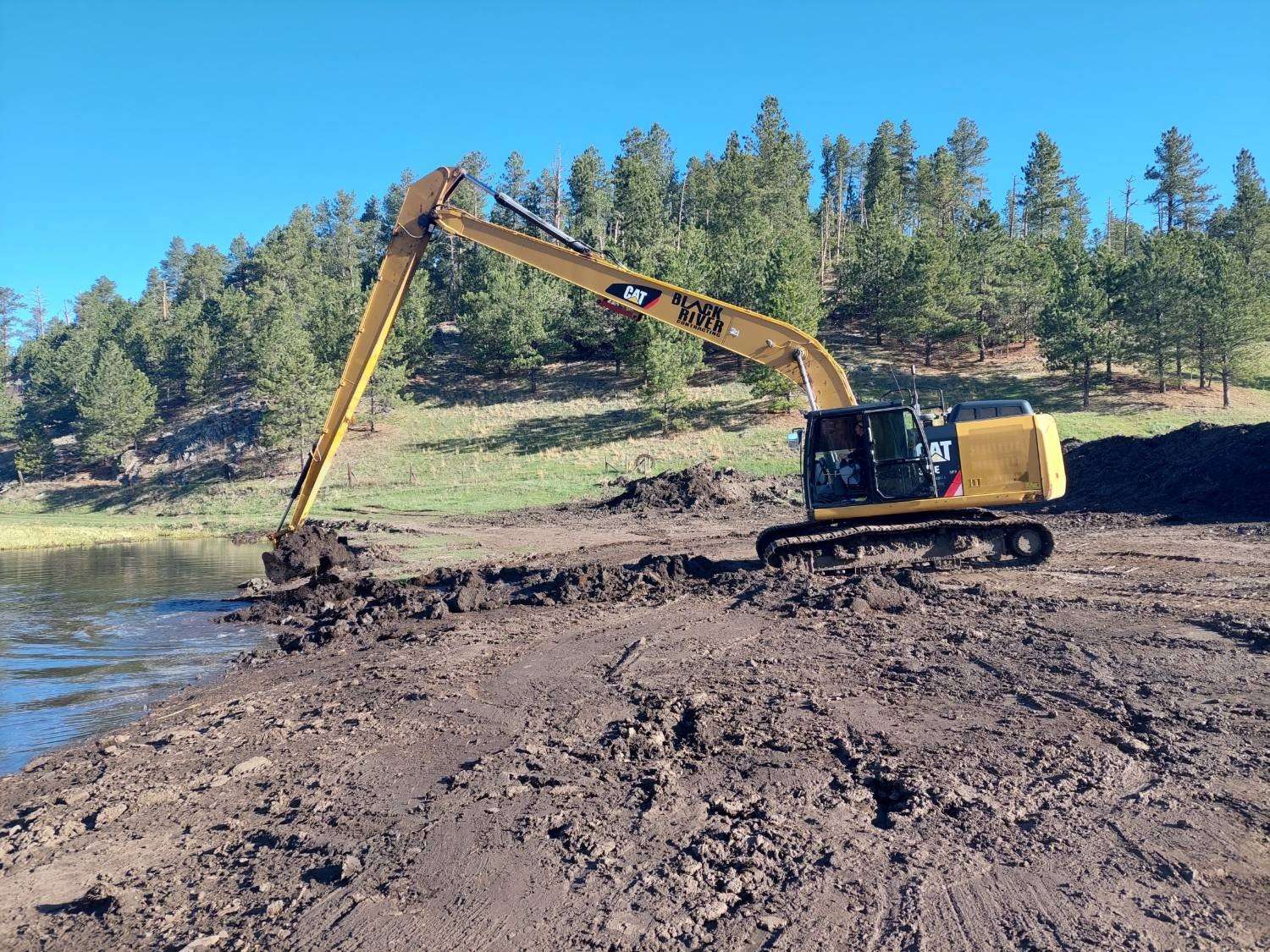
Black River Contracting runs a Cat 324E with a 60-foot long-reach front and a 1-yard bucket out of Summerset, SD. It digs from the bank, the dam crest or the road, so the machine stays on solid ground while the bucket reaches into the pond, across the ditch or down the slope.
That reach is what makes it the right tool for the work rangeland and small towns need most: stock pond and dugout cleanout, ditch and channel work, detention ponds, and digging next to bridges, culverts and buildings where a standard machine would have to sit in the way.
What we use it for
- Pond dredging and silt removal and stock pond and dugout cleanout
- Dam repair and cleanout
- Creek cleanout, stream bank repair and riprap
- Ditch and culvert cleanout
- Slopes, embankments and digging next to bridges, culverts and buildings
Long reach, long arm, long stick
See also long reach vs. standard excavator for pond and dam work.
They’re all the same machine: an excavator with a longer boom and stick than standard. Ours is a Cat 324E with a 60-foot front and a 1-yard bucket. The long front trades lifting capacity and digging force for reach, so it’s the right tool for silt, muck and soft ground you can’t drive on, and the wrong one for rock or heavy pipe. For those, a standard machine does better, and we’ll say so.
Who we dig for
- Ranchers and landowners who need stock ponds and dugouts cleaned out, dams rebuilt or ditches reopened.
- Towns, counties and agencies with drainage channels, detention ponds and culvert outlets to keep open.
- Contractors who need reach for a few days without buying or renting a machine they rarely use. We supply the long-reach excavator with our operator.
Where we work
From our yard in Summerset we cover Western South Dakota, from the Black Hills out onto the prairie, and Northeast Wyoming along I-90.
- South Dakota: Rapid City, Spearfish, Sturgis, Deadwood and Hot Springs.
- Ranch country: Wall, Philip and Kadoka, the Belle Fourche Valley (Newell, Nisland, Vale) and the Southern Hills from Buffalo Gap to Edgemont.
- Wyoming: Sundance, Hulett, Moorcroft, Upton, Newcastle and Gillette.
Black River is a certified Service-Disabled Veteran-Owned Small Business (SDVOSB), which matters to agencies and prime contractors on federal work.
What we handle
Stock pond and dugout cleanout
Ditch, channel and slope excavation
Pond, lagoon and detention basin work
Bridge, culvert and structure-adjacent digging
Restricted-access and over-the-fence excavation
Machine and operator for other contractors
How we run a long-reach job
We walk the site first to choose where the machine sits: firm ground, clear of overhead lines, close enough to reach the work and to place the spoil. Spoil goes where you want it, whether that's spread on the uplands, built into the dam or stockpiled to dry. We call in utility locates before we dig and keep the machine out of soft bottoms and stream channels.
When long reach is the right machine
Choose long reach when a standard excavator would have to drive into mud or water to get there, when the work is across a ditch, fence or creek, or when you need to dig deep from the top of a bank. For heavy lifting or rock, a standard boom is the better tool, and we'll tell you so.
Why Black River?
- Veteran-owned & operated (SDVOSB)
- Modern, well-maintained equipment
- Direct communication, no runaround
- Clean sites, on-time delivery
Common questions
- What long-reach machine do you run?
- A Cat 324E excavator fitted with a 60-foot long-reach front. It's the same base machine as a standard 324, with a longer boom and stick and a 1-yard bucket, so it reaches much farther from where it sits.
- How far can a long-reach excavator reach?
- Ours has a 60-foot front: the boom and stick together. How far out and how deep the bucket works at a given spot depends on how deep it's digging and how high the machine sits. Tell us the distances from firm ground and we'll tell you whether it reaches.
- Is a long-arm or long-stick excavator the same thing?
- Yes. Long reach, long arm, long stick, long boom and long-reach trackhoe all describe the same idea: an excavator with a longer boom and stick than standard, trading lifting and digging force for reach.
- Can you clean out a pond that still has water in it?
- Often, yes. Working from the bank or the dam, the machine reaches into the pond without driving onto the bottom. Low water makes the job faster and lets the silt dry, so late summer, fall and dry years are the best time, but we can work around water when you can't wait.
- Where do you work?
- Across Western South Dakota, including the Black Hills, Rapid City, Spearfish, Sturgis, Deadwood and Hot Springs, and into Northeast Wyoming around Sundance, Moorcroft, Newcastle and Gillette. We're based in Summerset, just off I-90.
- Do you rent the machine to other contractors?
- We rent it with our operator, not bare. General contractors, excavators and agencies bring us in for the days they need reach, and our operator works to your superintendent's plan.
- What do you need from me for a quote?
- The location, a few photos, what needs to be dug or cleaned out, how deep and how far from solid ground, where the spoil can go, and when you'd like it done.
Long Reach Excavation by area and job
- Creek, Stream Bank & Riprap Work in Western South Dakota
- Ditch & Culvert Cleanout in Western South Dakota
- Long Reach Excavation in Deadwood, SD
- Long Reach Excavation in Hot Springs, SD
- Long Reach Excavation in Northeast Wyoming
- Long Reach Excavation in Rapid City, SD
- Long Reach Excavation in Spearfish, SD
- Long Reach Excavation in Sturgis, SD
- Long Reach Excavator Rental with Operator
- Stock Pond & Dugout Cleanout
More services
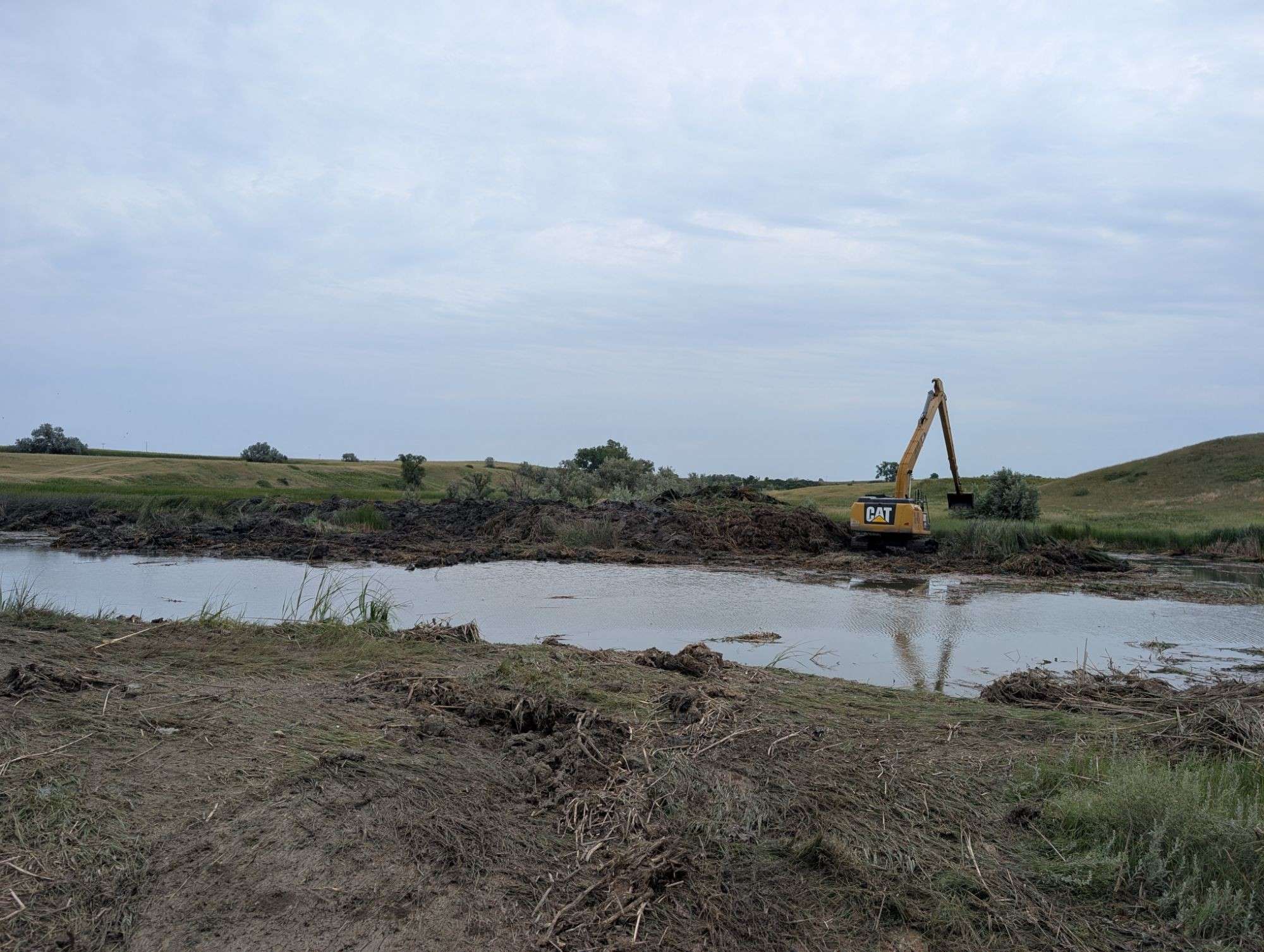
Dam Cleanout & Repair
Sediment removal, embankment and spillway repair to restore capacity in ponds, stock dams, and small impoundments.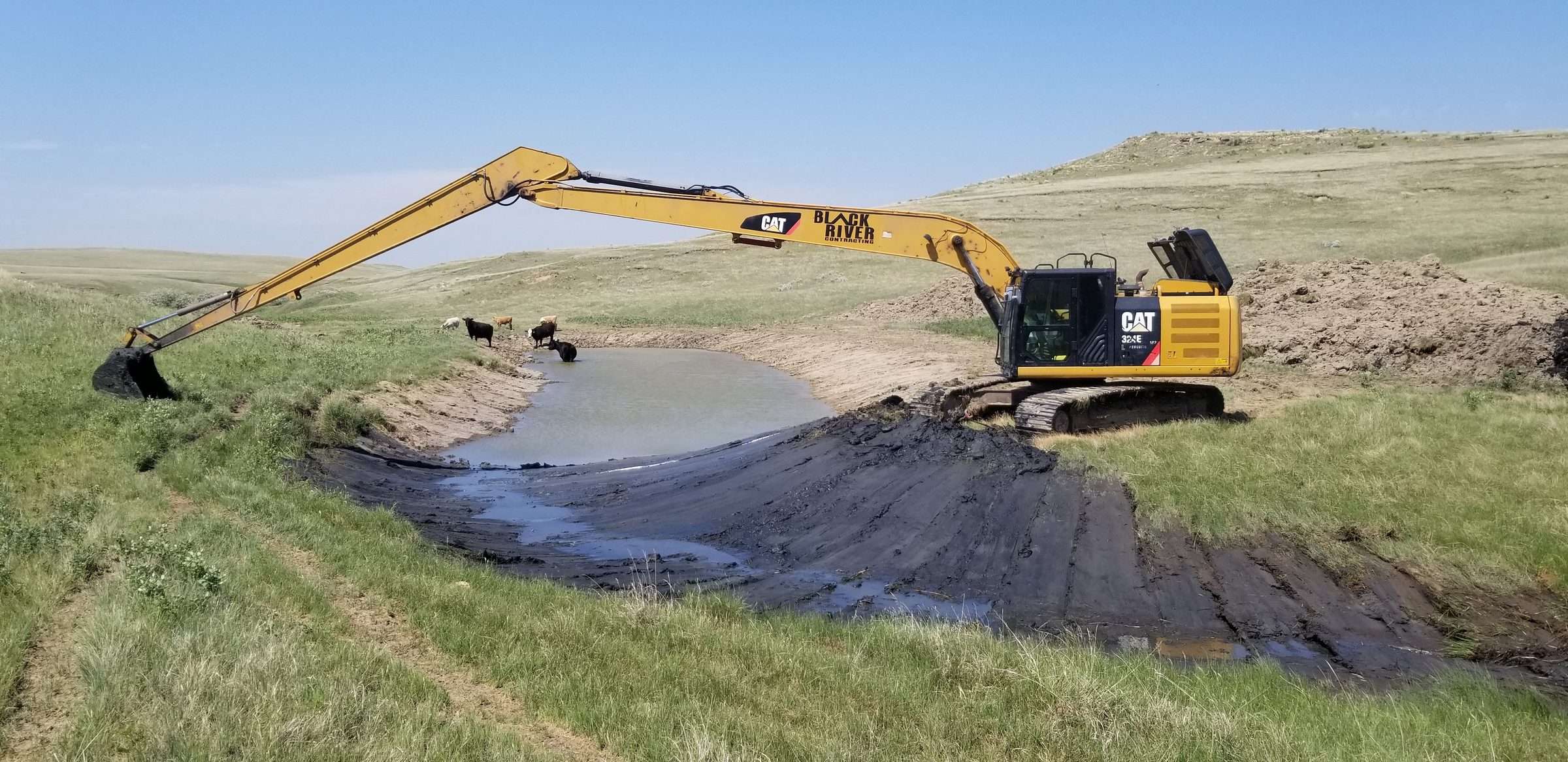
Farm & Ranch Improvements
Access, drainage, and water system work for rural properties, built to hold up to daily use.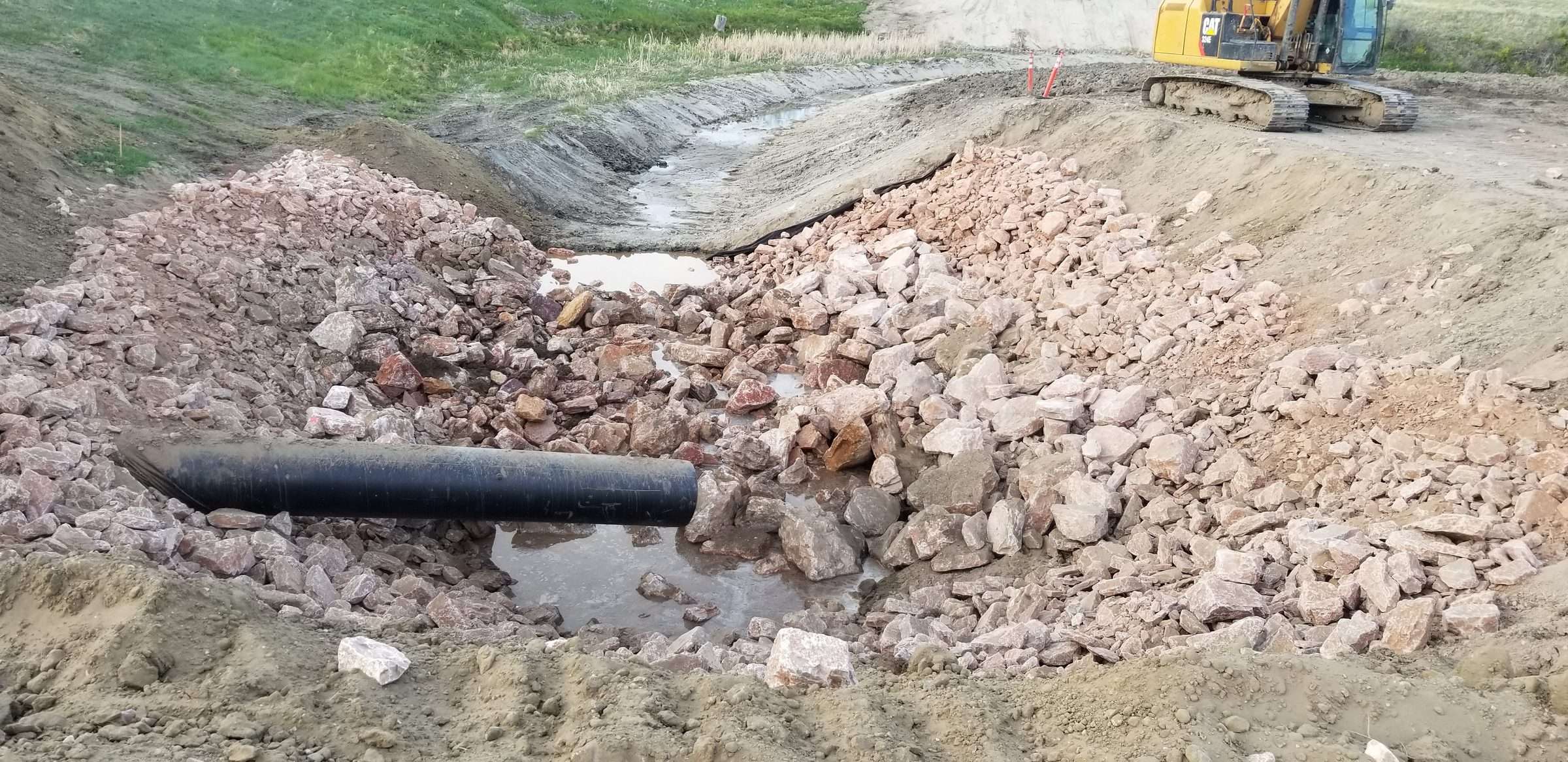
Culvert Installation
New installs and replacement of failed or undersized crossings for roads, driveways, and ditches.
Let's talk about your long reach excavation needs
Every site is different. We'll walk it with you and give you a straight answer.